Curiosity has taken me around the world, led me to study, teach and explore new ideas, and continues to shape both my work and my life today.I believe in living with contentment while making the most of every opportunity. Learning has never been something I have done simply to collect qualifications. It has been a way of understanding people, cultures and different ways of thinking. Along the way, I have completed two master’s degrees, coached gymnastics for more than twenty-five years, and built a career in education, but I still consider myself a student first.
In 2005, I travelled to Australia, where I met my husband. After exploring Australia and New Zealand together, we moved to Japan in early 2006. What was meant to be a new adventure became more than a decade of living, working and learning in a country that has profoundly influenced who I am.
It was in Japan that I came to appreciate the quiet pursuit of excellence found in everyday life. Whether preparing tea, welcoming a guest or crafting a simple meal, there is an attention to detail, generosity and care that transforms ordinary moments into meaningful ones. The Japanese philosophy of omotenashi (おもてなし) continues to influence how I teach, how I work and how I hope people feel after spending time with me.
Today, my work brings together many of the things I care about most: education, Japanese culture, business, food, tea, wellbeing and movement. They may seem like different paths, but for me they all share the same purpose: helping people learn, connect and discover something that enriches their everyday lives.
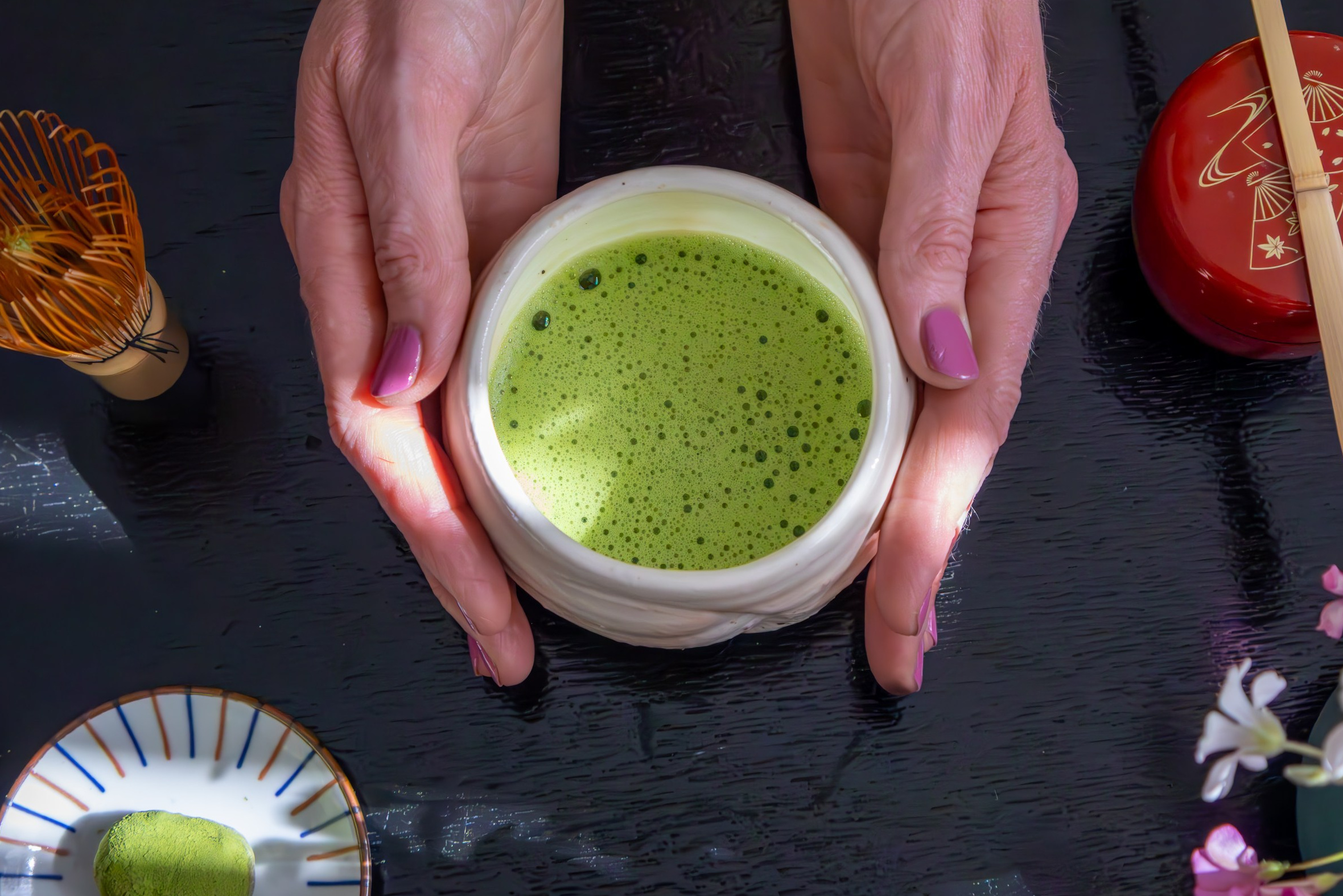
Not long after I arrived in Japan, my friend Makiko invited me to my first tea ceremony. What surprised me most was that it lasted five hours. We drank both usucha and koicha, but what stayed with me was not the tea itself. It was the care, patience and quiet attention behind every movement.
Makiko and I later completed our master’s degrees in TESOL (Teaching English to Speakers of Other Languages) together through Teachers College, Columbia University, in Tokyo. Our friendship has continued ever since. Today, she is a tea master in the Omotesenke tradition and, although we now live on opposite sides of the world, I still take tea lessons with her online, from her tea room in Japan to mine here in Ireland.
That first invitation all those years ago sparked a lifelong journey. It taught me that tea is never just about tea. It is about creating a space where people feel welcome, present and connected.
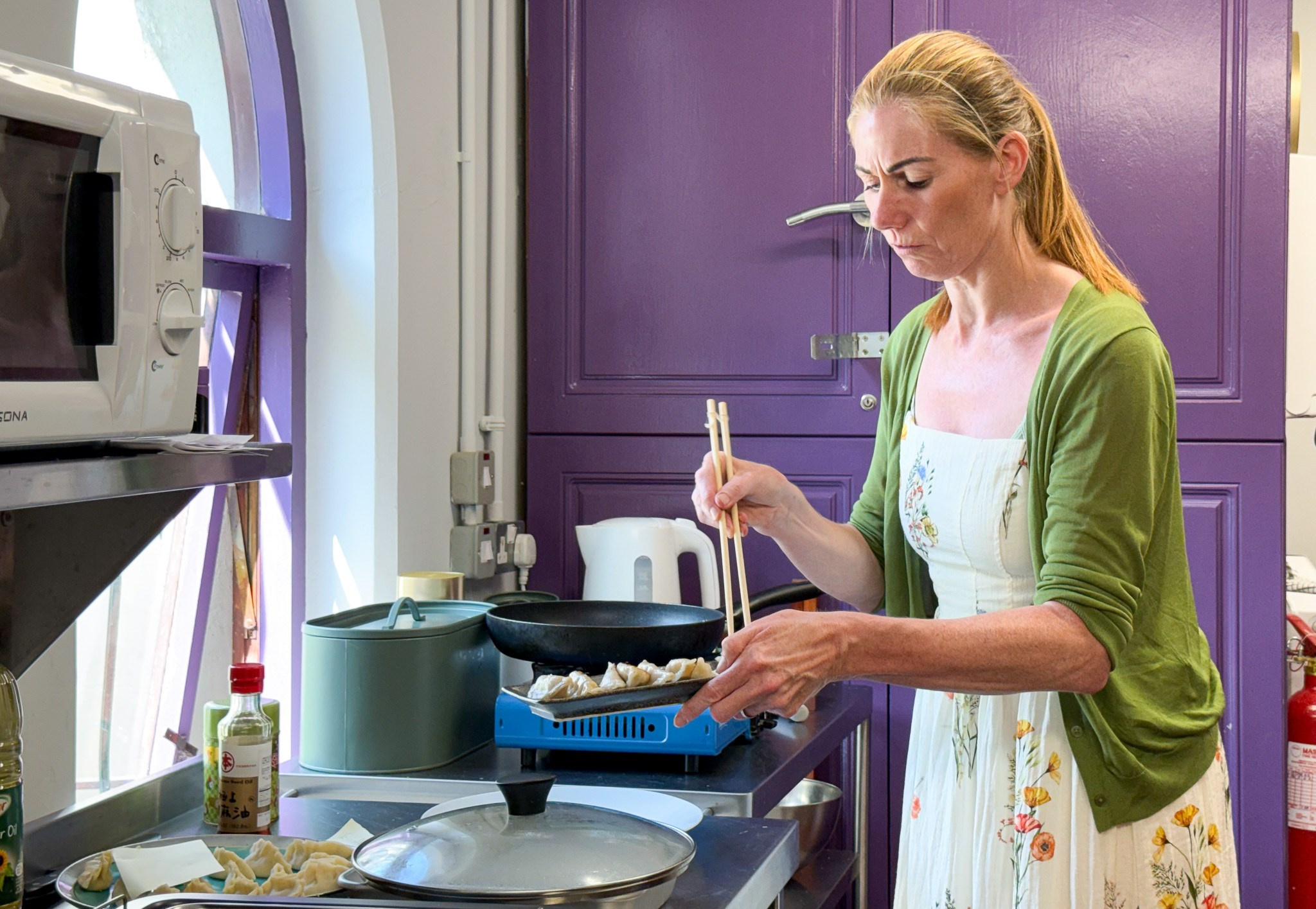
Whether I am teaching marketing, introducing someone to Japanese tea for the first time, or helping people make sushi or fold their first gyoza, I hope they leave with more than a new skill. If they see the world a little differently, or begin to appreciate the beauty in something they once thought ordinary, then I feel I have done my job.
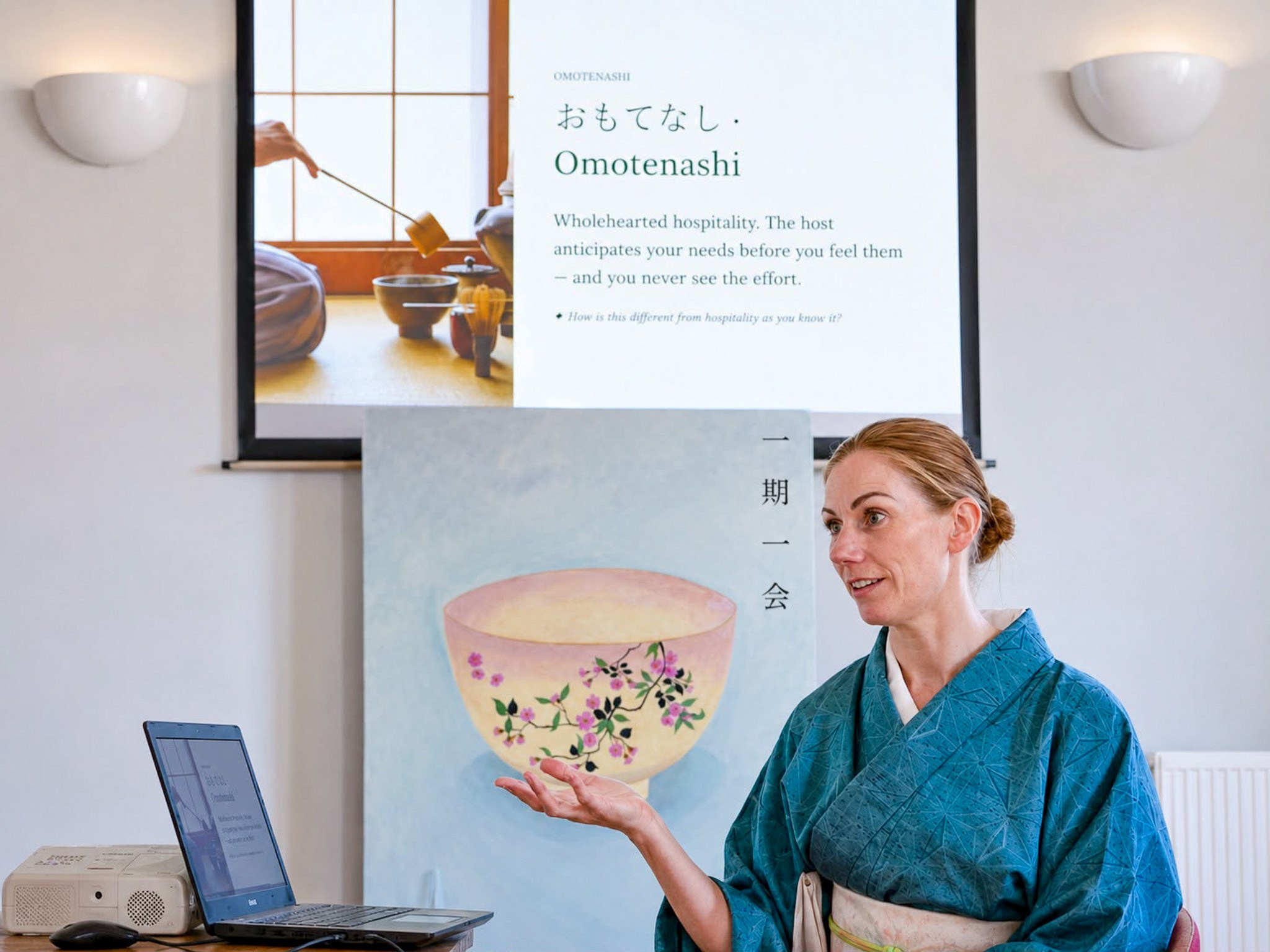
There is a Japanese word, omotenashi (おもてなし), that has no direct English equivalent. It is often translated as hospitality, but it means much more than that. At its heart is the idea of welcoming others with genuine care, generosity and attention, expecting nothing in return.When I first moved to Japan, I did not realise how deeply this philosophy would influence me. I spent more than ten years living there, teaching at a Buddhist women’s university, studying the Way of Tea, and learning from a culture that finds meaning in everyday acts of care, presence and respect.
Alongside my work in Japanese culture, I am an educator with two master’s degrees in TESOL and Education. I have coached gymnastics for more than twenty-five years, teach yoga, and continue to study the Japanese Way of Tea. Although these may seem like different paths, they all share a common purpose: helping people learn, grow and connect with one another.
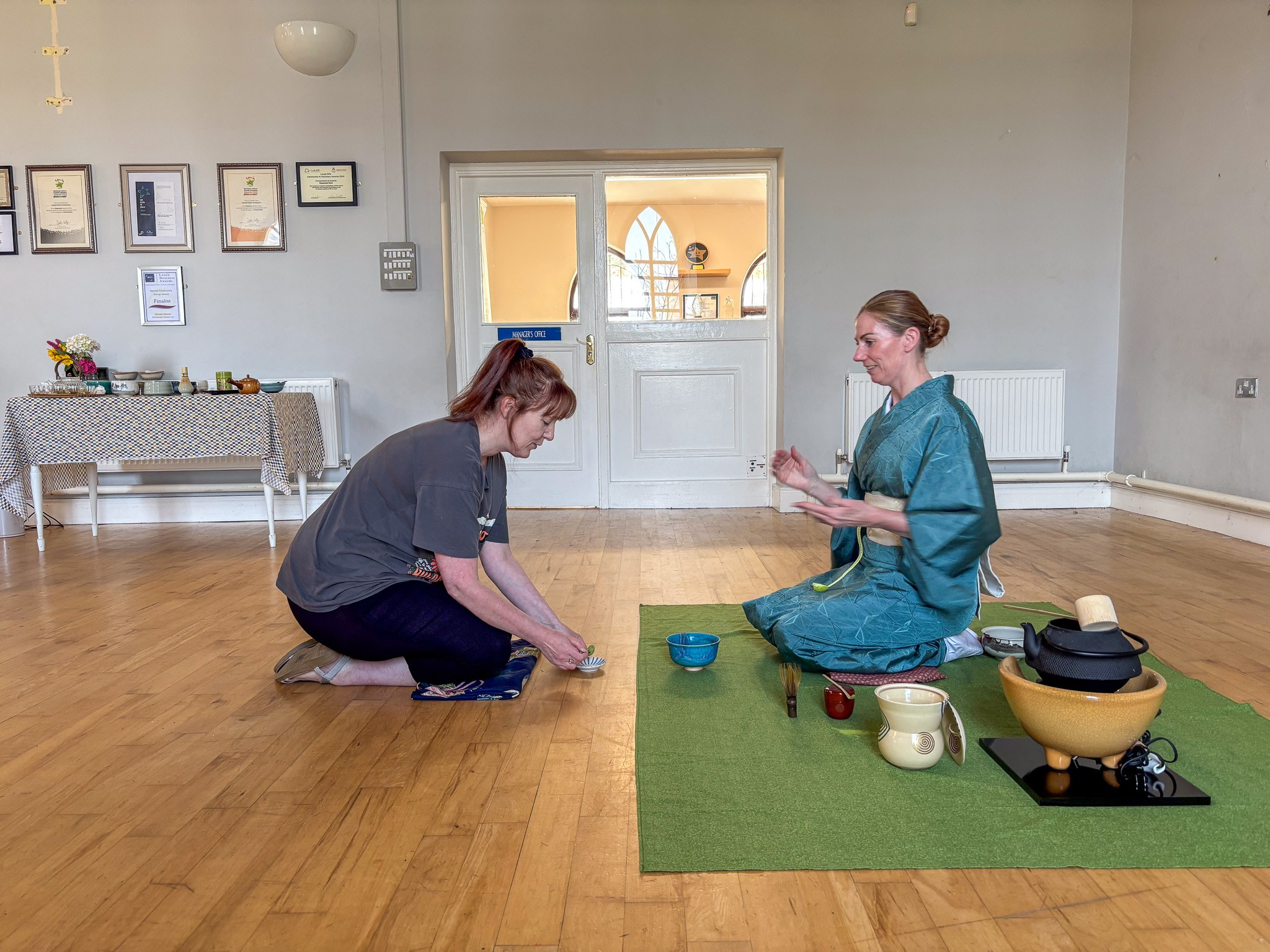
Today I offer Japanese tea ceremony experiences, cultural workshops, yoga retreats and educational programmes for individuals, community groups and organisations. I also write and teach about omotenashi and how its principles can enrich wellbeing, education and customer experience in Western contexts.
For me, omotenashi is not simply about serving tea or welcoming a guest. It is about helping people feel seen, valued and at ease. If you leave one of my classes, workshops or retreats feeling a little more present, a little more curious, or with a new appreciation for the ordinary, then I have achieved what I set out to do.
Returning to Ireland, I realised that these experiences had changed not only how I worked, but how I saw the world. Since then, I have tried to share what I learned through my teaching, workshops and retreats.
01
What Shaped Me
Living in Japan for more than a decade changed the way I see the world. It was there that I studied the Way of Tea, explored meditation traditions, taught at university, and came to appreciate the value of slowing down, paying attention and caring for the people around us.
Alongside this, I completed two master’s degrees, spent more than twenty-five years coaching gymnastics, and trained as both a yoga teacher and Reiki Master. Although these experiences seem quite different, together they have shaped how I teach, learn and connect with others. Giving someone your time, your attention and a genuine welcome.
What I Believe
I believe that one of the greatest gifts we can offer another person is our full attention. Not rushed or distracted, but genuine.
The Japanese philosophy of omotenashi (おもてなし) has been shaping the way I teach and approach my work. It is often described as wholehearted hospitality, but to me it is about something deeper: creating an environment where people feel comfortable, respected and truly welcome.
My hope is simple. That people leave feeling they have learned something new, experienced something meaningful, and discovered that even the most ordinary moments can be made extraordinary through care, attention and generosity.
03
What This Means for You
You don’t need to know anything about Japan, or yoga, or tea ceremony to find something here. You only need to recognise the feeling of moving through life faster than feels right — and a quiet curiosity about what it might be like to stop. Whatever brought you here, you are welcome exactly as you are. We begin, always, with a conversation.